The Urgent Need for Strong Journalism Ahead of Nigeria’s 2027 Elections
Last week in London, Sarah Lester, the Editor of the Manchester Evening News, addressed Parliament to kick off the Journalism Matters campaign. She raised a crucial question: how far is the government willing to go to support journalism? This issue is not just a British one; it’s also pressing for Nigeria as the country heads toward its next general election in 2027.
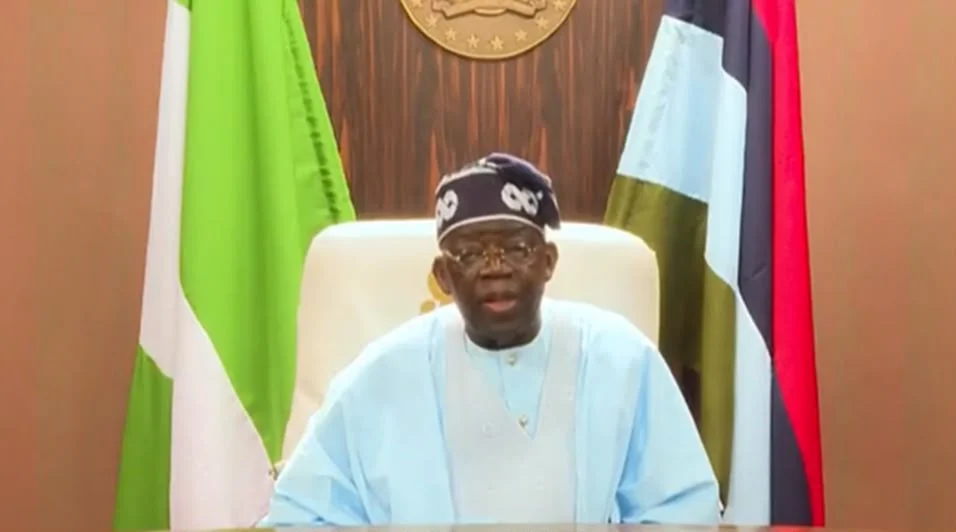
In Nigeria, the media landscape is facing a crisis. The newspapers, radio stations, and investigative newsrooms that have been vital since the end of military rule are struggling to survive. President Bola Tinubu, who has a background in media and was involved in the fight for democracy in the 1990s, understands the importance of a free press. He has acknowledged the challenges facing journalists and promised support, but many are wondering what real actions will follow these words.
The situation is dire. Rising costs due to hyperinflation have made essential materials like newsprint and broadcast equipment too expensive. The value of the naira has dropped, making it hard for media outlets to operate. Meanwhile, advertising revenue has shifted to tech giants like Google and Meta, which profit from news content without fairly compensating the creators of that content.
As misinformation spreads rapidly on social media platforms, the need for reliable journalism becomes even more critical. In an election year, the absence of trustworthy news can lead to confusion and distrust among voters. Without a solid foundation of facts, accountability diminishes, allowing corruption and violence to thrive.
Globally, there is a growing recognition of the need to protect journalism. The European Commission is proposing new regulations to tackle manipulative online practices, and investigations are underway in Britain regarding how tech companies use news content. In Africa, countries like Gabon are taking steps to regulate online content, highlighting the need for oversight in the digital space.
Nigeria cannot afford to ignore these developments. Supporting journalism should not mean creating a state-run press; it should involve recognizing independent news as essential infrastructure for democracy. As the 2027 elections approach, the stakes are high. The country can either face an election with a weakened press and rampant misinformation or work toward a revitalized media landscape that informs voters and holds power accountable.
President Tinubu has a unique chance to make a significant impact on the future of journalism in Nigeria. By taking action now, he could leave a lasting legacy that strengthens democracy and ensures that truth has a place in society.
[logo-slider]