Nigeria Faces Electricity Crisis Due to Unpaid Gas Debts and Infrastructure Issues
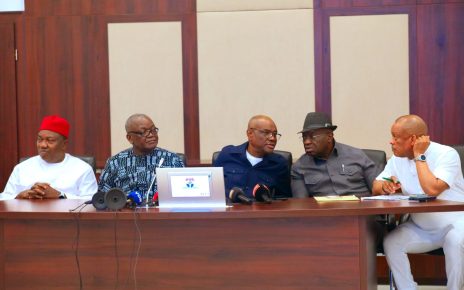
Nigeria’s electricity supply is in jeopardy due to unpaid debts in the gas sector, inadequate investment in gas production, and poor infrastructure, according to industry experts. They expressed these concerns during a conference in Abuja, highlighting that without action from the Federal Government, the ongoing electricity crisis may worsen.
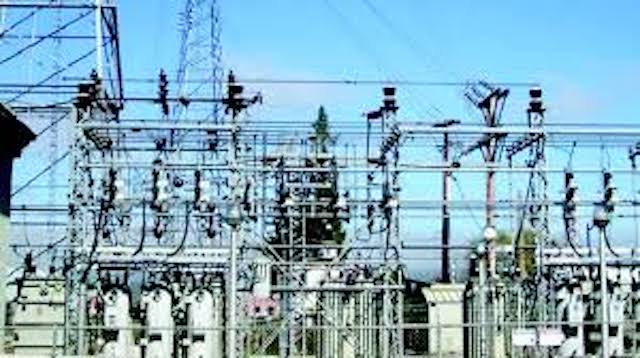
The Nigerian Independent System Operator recently reported a drop in electricity generation linked to insufficient gas supply for thermal power stations. This situation has led to shorter supply hours and increased load shedding, where power is intentionally cut to manage demand.
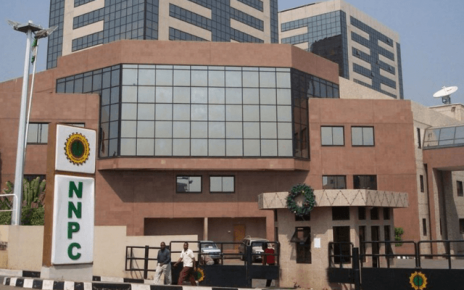
Bashiru Adoke, a manager at the Nigerian National Petroleum Development Company, stated that the crisis is manageable but requires consistent investment and a reliable payment system for gas suppliers. He noted that electricity generation companies struggle to pay for gas because they receive inadequate payments for the power they produce.
Adoke explained that the current payment system is flawed, as the revenue from electricity sales is not enough to cover gas costs. He mentioned that the market owes over N630 billion for electricity generated and consumed. Without a solid payment mechanism, the problems in the power sector will persist.
He also raised concerns about future debts if the government only focuses on past liabilities from 2015 to 2025. Adoke emphasized the need for more investment in non-associated gas, as relying on gas produced alongside oil could lead to further disruptions.
Mojeed Akintola from the Transmission Company of Nigeria added that the lack of electricity generation is a significant barrier to improving transmission capacity. While the company is working on expanding its infrastructure, issues like land disputes and vandalism hinder progress.
[logo-slider]