
Nigeria’s Manufacturing Sector Sees Growth Rise to 3.2% in Q2 2026
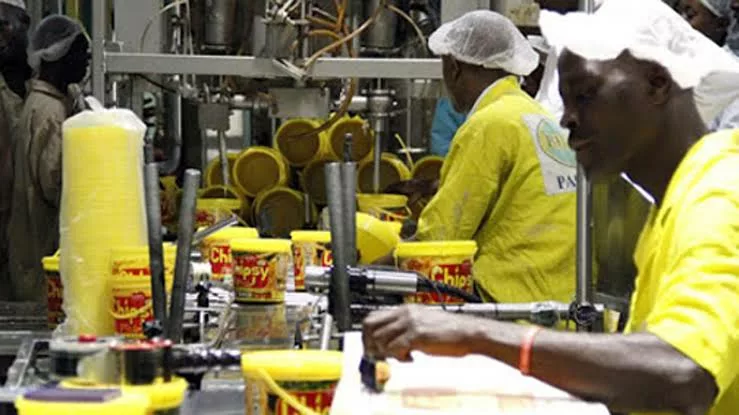
Nigeria’s manufacturing sector grew by 3.2% in the second quarter of 2026 compared to the same period in 2025, when growth was only 1.6%. This increase reflects better industrial activity as operating pressures gradually ease.
According to the National Bureau of Statistics, growth was supported by stronger performance in various subsectors, including food and beverages, chemicals, pharmaceuticals, cement, and refining. A more stable foreign exchange market has also helped manufacturers access imported raw materials more easily, improving their procurement and inventory management.
Additionally, easing inflation has reduced uncertainty around costs for manufacturers, providing relief and aiding in production planning. This growth highlights the manufacturing sector’s vital role in Nigeria’s efforts to diversify its economy, particularly in expanding non-oil production, creating jobs, and strengthening local supply chains.
However, manufacturers still face ongoing challenges such as high energy costs, poor infrastructure, logistical issues, and high financing costs. These factors continue to hinder competitiveness and limit investment in the sector.
While the decline in inflation may help boost consumer demand and allow manufacturers to plan better, there are concerns about geopolitical tensions in the Middle East. Such tensions could affect global energy prices and supply chains, potentially increasing costs for transportation and production.
For Nigerian manufacturers, maintaining this growth will depend on not only stable economic conditions but also on addressing ongoing structural issues like energy supply and access to affordable financing.
[logo-slider]