HURIWA Accuses ICPC of Political Bias in Uche Nnaji’s Prosecution Ahead of Elections
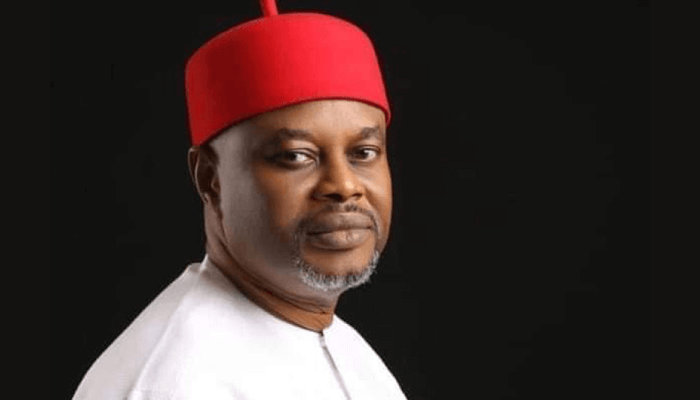
The Human Rights Writers Association of Nigeria (HURIWA) has accused the Independent Corrupt Practices and Other Related Offences Commission (ICPC) of unfairly targeting Uche Nnaji, a former Minister in Enugu State. HURIWA is calling for an immediate stop to Nnaji’s prosecution, claiming it is politically motivated as the country approaches the 2027 elections.
In a statement, HURIWA expressed concerns about the ongoing legal case against Nnaji, particularly regarding doubts about his academic qualifications. They argue that the ICPC’s actions raise questions about its independence and neutrality, especially with political activities increasing ahead of the elections.
HURIWA’s National Coordinator, Comrade Emmanuel Nnadozie Onwubiko, warned that using criminal prosecutions to intimidate political opponents is dangerous. They believe that Nnaji is a strong contender against the current Governor of Enugu State, Peter Mbah, and that the prosecution appears to be aimed at weakening his political position.
The group emphasized that while allegations against Nnaji should be investigated, this should not lead to the misuse of state institutions for political gain. They also noted that Nnaji has sought legal action to obtain his academic transcript from the University of Nigeria, Nsukka, highlighting ongoing disputes about his educational background.
HURIWA urged the ICPC to halt the prosecution until an independent review can be conducted. They also called on the Federal Government to prevent any misuse of anti-corruption agencies against political rivals, warning that such actions could undermine the democratic process in Nigeria.
Furthermore, HURIWA highlighted the importance of fair political competition, stating that public institutions must not intimidate or coerce political actors. They stressed that the credibility of the ICPC relies on its ability to act without political bias and based solely on evidence and the law.
[logo-slider]