COP31 Climate Talks Fail, Prompting Calls for Reform and New Agreements
The COP31 climate talks in Turkey ended on November 22, 2026, without any agreements, raising questions about the future of climate negotiations. The talks, which were scheduled to last for a few days, extended two days longer than planned but still resulted in a deadlock over key issues like fossil fuels and climate finance.
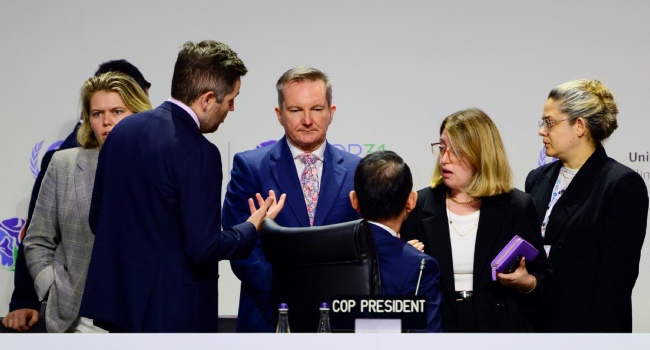
Chris Bowen, Australia’s climate minister and the chair of the negotiations, expressed disappointment at the outcome. Many observers believe that the insistence on consensus—where every country must agree on every detail—hinders effective decision-making in the face of a climate emergency.
Former U.S. Vice President Al Gore emphasized the need for significant reform in the COP process. He called for a system that reflects current scientific understanding and the majority’s will. However, Bowen pointed out that changing the consensus requirement would also require unanimous agreement from all countries, which he described as a challenging task.
During the talks, disagreements emerged over whether to include a commitment to phase out fossil fuels in the final decisions. Some countries insisted on its inclusion, while others, particularly Saudi Arabia, opposed it. Additionally, there was no progress on financing for developing nations, which is crucial for their transition to sustainable energy sources.
Despite the failure of the COP31 talks, many still see value in the COP process, as it brings together nearly every country and allows for equal participation. However, there are increasing discussions about exploring alternative methods to tackle climate change, including legal actions and agreements outside the COP framework.
Some countries are already pursuing legal avenues, such as seeking opinions from the International Court of Justice on their obligations to combat climate change. Others are looking at initiatives like the Santa Marta process, which focuses on phasing out fossil fuels without the need for consensus among all nations.
[logo-slider]