UK Government Plans to End Early GCSE Teaching in Secondary Schools
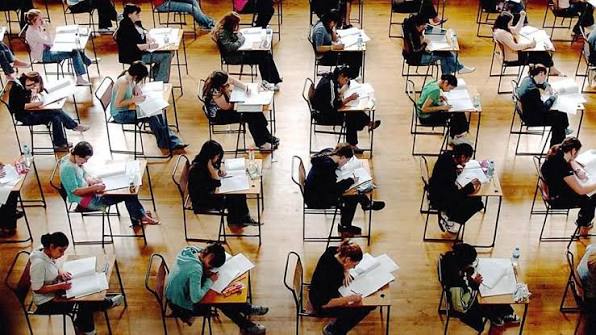
The UK government is planning to stop secondary schools from teaching the General Certificate of Secondary Education (GCSE) content before Year 10. This change is part of a broader effort to make the first three years of secondary school more engaging for students.
The Department for Education (DfE) wants to restore Key Stage 3, which includes Years 7 to 9, as a separate phase. This will give students more time to build their knowledge and explore a wider range of subjects before they start GCSE courses. Concerns have been raised that preparing for exams too early limits what students learn.
A survey indicated that over half of teachers believe GCSE courses are taking over the first three years of secondary school, even though these courses are meant to start in Year 10. Education Secretary Lucy Powell noted that some students are being rushed into exams before they fully understand the basics.
The government aims to protect time in Years 7 to 9 for deeper learning and a broader curriculum. The proposed changes will include subjects like drama, physical education, music, and modern foreign languages, along with technical and digital skills.
Additionally, the DfE plans to focus more on developing confident speaking, reading, and numeracy skills. The government has also noted that persistent absence rates nearly double between Years 7 and 9, affecting one in four students. They hope that a more engaging curriculum will help improve attendance and student outcomes.
Schools will still have the flexibility to challenge students who are ready to advance, without forcing all students to start GCSE courses early or limiting their subject choices. The complete curriculum details are expected to be released later this year, specifically for England’s education system.
[logo-slider]