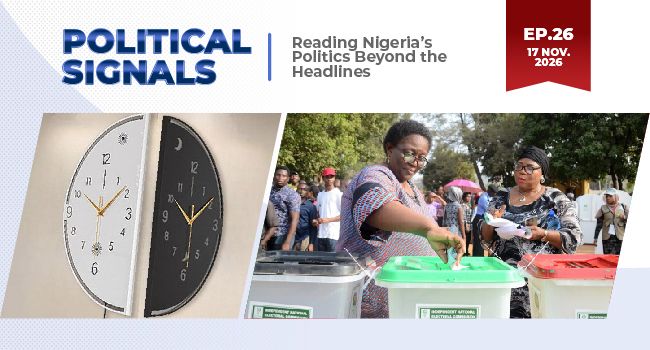
Nigeria’s Presidential Election: Economic Changes and Opposition Unity at Stake
Nigeria is gearing up for its presidential election, with both the government and opposition racing against time. The government aims to show voters that economic improvements are making a difference in their lives, while the opposition seeks to unite and strengthen its challenge against the ruling party.
Recent reports show that inflation has decreased slightly, with the annual rate at 14.06% in October, down from 14.63% in September. This drop in inflation is seen as a sign of economic stabilization. However, it does not mean that prices have returned to previous levels, and many families still feel financial pressure.
The opposition parties have announced a summit in Abuja on November 23 to discuss cooperation. This meeting will focus on creating a National Covenant for Democratic Renewal and a Framework for Opposition Unity. While this is a step forward, it remains unclear if the parties will agree on a common candidate or how they will work together during the election.
In the meantime, the ADC party is facing legal challenges regarding its leadership and candidate nominations. They are seeking a court ruling to protect their interests while the legal issues are resolved. This uncertainty complicates the election process for both the party and its candidates.
Recent political violence in Kano has raised concerns about the safety of campaign activities. Reports of clashes between different party supporters highlight the need for protection of lawful political actions. Ensuring safety is crucial for fair elections.
As the election approaches, candidates like Peter Obi are also putting their records in the spotlight, aiming to show how their past governance can translate to national success. The upcoming weeks will be critical for both the government and the opposition as they strive to connect economic indicators with real improvements in voters’ lives.
[logo-slider]